Empowering Families Through Cancer: Essential Support, Resources, and Advocacy
Navigating the journey through cancer can often feel like sailing in stormy seas. For families, the diagnosis is not just a medical issue—it becomes a shared challenge, demanding resilience and unity. Understanding how to access comprehensive support and resources is vital for navigating this unpredictable path. As the old saying goes, 'When the going gets tough, the tough get going.' In this blog, we’ll delve into how families can arm themselves with essential tools for managing not only the immediate challenges of cancer treatment but also the long-term implications on family health and wellness.
At the heart of the cancer experience lies a myriad of emotions that can rattle even the sturdiest of hearts. Families may find themselves grappling with anxiety, confusion, and fear of the unknown. However, patient care can be enriched by seeking out cancer education and utilizing available patient resources. Whether it’s enrolling in holistic health and wellness programs that promote both physical and mental well-being, or joining a local cancer support group, it’s imperative for families to know they aren’t alone in this fight. What’s your first step towards creating a support network?
Every cancer journey is unique, just like each fib in a tapestry woven from courage and hope. The importance of emotional support cannot be overstated. Families facing chronic illnesses require more than just medical care—they need encouragement, understanding, and compassion. Cancer advocacy plays a crucial role in educating families about their options, navigating the healthcare landscape, and ensuring that patients receive adequate care and resources. Have you explored the role of advocacy in your journey to wellness?
In tandem with professional help, community support often emerges as a beacon of light during dark times. Engaging with local organizations that focus on disease awareness and cancer research can provide families with valuable insights and connection opportunities. Families can collaborate with each other to combat feelings of isolation, share experiences, and exchange tips on managing the ups and downs of cancer treatment. The power of solidarity cannot be underestimated—how have you found strength in your community throughout this journey?
Finally, survivorship is not merely about coming out on the other side; it’s about thriving. Families must prioritize ongoing health—preventive care and follow-up appointments are vital components in maintaining wellness after cancer treatment. The journey of healing continues beyond medical interventions. Setting goals for family wellness, engaging in activities that promote emotional health, and attending workshops to enhance cancer education can enhance the quality of life for survivors and their loved ones. So, how can you take action today to equip your family with the advocacy and support needed to live fully, even in the shadow of cancer?
From Diagnosis to Survivorship: Empowering Families with Advocacy and Education
Navigating the journey from a cancer diagnosis to survivorship can feel overwhelming, both for those affected by the disease and their family members. When the word 'cancer' enters the conversation, it often brings with it a flood of uncertainty and fear. Yet, it also opens the door to an inspiring narrative of resilience and empowerment. How can families transform feelings of helplessness into advocacy and education? This blog explores how families can leverage support, resources, and community to not only survive but thrive during such challenging times.
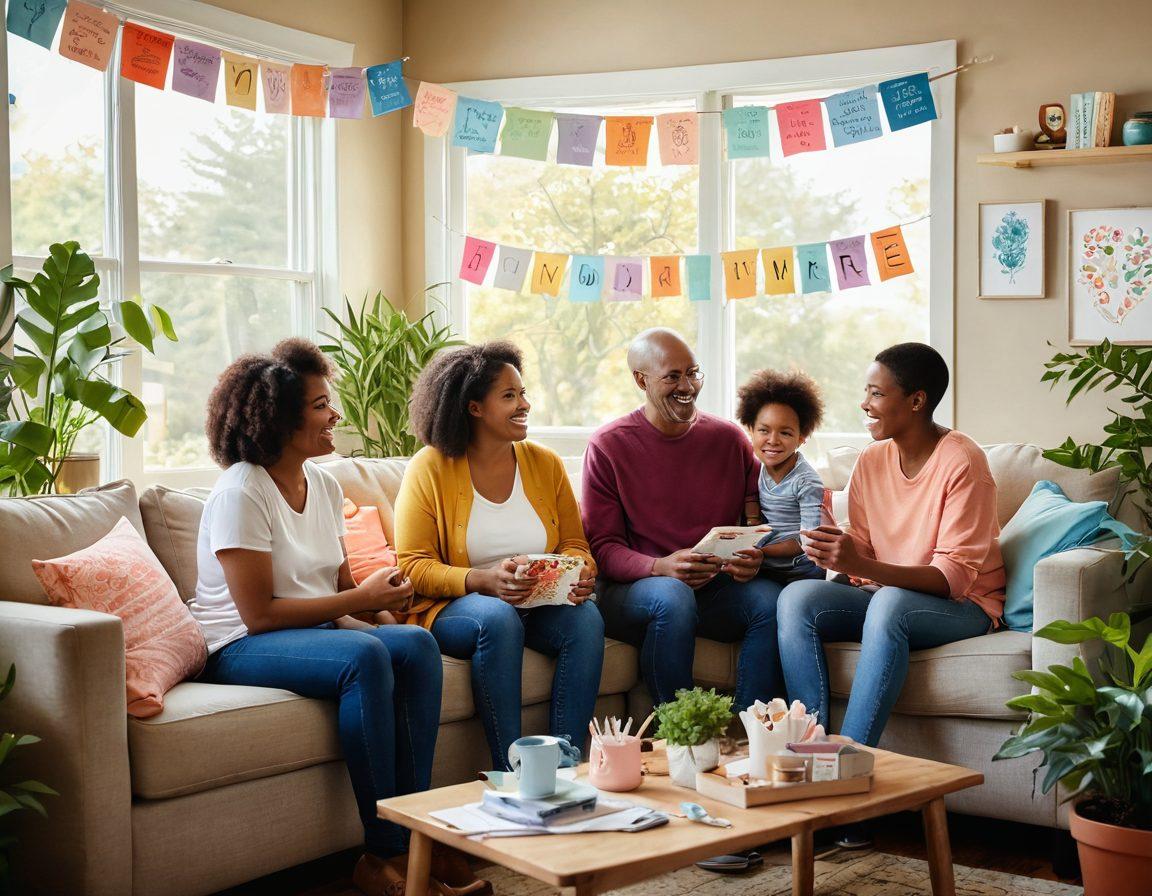
In the world of oncology, each diagnosis tells a unique story, but there are common threads that unite them. At the heart of these stories are families who rally together, demonstrating that family health is more than just physical well-being; it’s about emotional support and community strength. Imagine a support group gathering, where stories are shared, laughter erupts, and tears are shed—all while cultivating a sense of belonging. How can families harness this power to create a holistic health experience? By embracing cancer education and staying informed about patient resources, families can build a fortress of knowledge around their loved ones.
The journey through cancer treatment is long and often fraught with challenges, but one essential aspect that can lighten the load is family assistance. Support doesn’t just mean being there physically; it involves having strategic conversations about care options, treatment plans, and wellness programs. For instance, introducing holistic health practices, like yoga or meditation, can provide emotional support that complements traditional treatments. Have you explored ways to integrate wellness programs into your family routine during difficult times?
Despite the emotional toll that chronic illness can impose, families can find strength in advocacy and disease awareness. Engaging in cancer research initiatives provides a platform for families to contribute to broader conversations around cancer support group activities and patient care improvements. Just remember—advocacy starts at home. Are there dialogues about cancer treatment happening openly in your family, or do they need to grow? Speaking out, sharing experiences, and participating in community support can all lead to greater awareness and proactive health measures.
Ultimately, survivorship is a journey that continues long after treatment ends. By prioritizing family wellness and preventive care, families can empower themselves and their loved ones to live fully, no matter what surprises life may throw their way. Embracing this journey doesn’t just mean supporting the individual who is directly impacted by cancer, but also recognizing that the entire family requires support, resources, and education. What can you do today to create a family-centered approach to cancer care? Every action taken towards fostering community support brings you one step closer to empowerment and survivorship.
Building a Stronger Community: The Role of Family Assistance in Cancer Care and Wellness
In the battle against cancer, the power of community and family cannot be underestimated. Families play an invaluable role in the support system that surrounds oncology patients. When a loved one is diagnosed with cancer, the immediate impact ripples through the entire family unit, extending the need for assistance far beyond the individual patient. The question arises: How can families truly empower one another in these tough times? The answer lies in building a strong community that prioritizes family assistance, emotional support, and a wealth of patient resources. Each family has its own battles to fight, but together, we can create an environment that fosters wellness, strength, and resilience.
As we dive into the vast realm of cancer care, it's essential to highlight that family health doesn't exist in isolation. Effective cancer education can be the bridge that connects families to necessary health resources and support systems. Think back to the time when your family rallied together during a crisis; that commitment to each other's well-being brings healing and hope. Consider this: what if your family had access to specialized wellness programs designed to support patients and caregivers alike? Involving family members in holistic health initiatives can significantly improve not just the physical healing of the patient but also the emotional well-being of everyone involved.
True family assistance can come in many forms—emotional support, attending cancer support group meetings, helping with daily tasks, or even just lending an ear to listen. There’s a quote by Maya Angelou that resonates deeply: 'I can be changed by what happens to me. But I refuse to be reduced by it.' This perspective is vital when navigating the journey of chronic illness. Families that unite under the banner of disease awareness and advocacy can profoundly impact each other’s lives and health outcomes. Moreover, when a family closes ranks, they effectively create a safety net that boosts the chances of survivorship and quality patient care.
Engaging with your community can amplify the effects of family assistance in cancer care. Whether through local outreach programs, healthcare initiatives, or volunteering at a cancer research center, every action counts. This sense of involvement fosters an environment of shared experiences, allowing families to learn from one another. Have you ever thought about attending a cancer advocacy event with your family? Such collective experiences not only educate but also build a stronger familial bond, reinforcing the idea that you're all in this together. When families are empowered to share their challenges and victories, it creates a ripple effect within the larger community.
As we seek to build a robust support network, let’s focus on making preventive care a family affair. When families come together to educate themselves on cancer risks and treatment options, it becomes a proactive approach to wellness. Consider incorporating regular health check-ups, balanced nutrition, and physical activity into your routine. Perhaps your family could join a local support group or start a wellness program focusing on both mental and physical health. By advocating for each other as a unit, families can transform the way cancer is approached—from daunting isolation to uplifting community empowerment. Let’s turn the energy of our shared stories into action, forging a future where family assistance becomes the backbone of cancer care and wellness.